Guide
Coconut Milk, Cream, and Carton Varieties in Vegan Cooking
Navigating the world of coconut products is essential for building texture and depth in plant-based cooking. This guide breaks down the functional differences between tinned milk, heavy creams, and thin cartons to help you choose the right fat content for every dish.
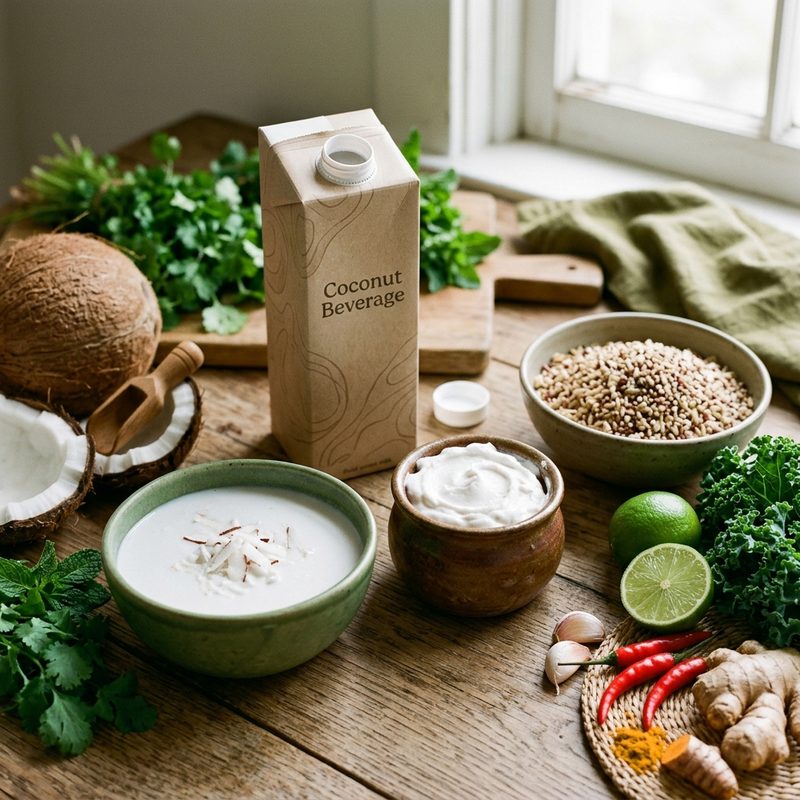
Understanding Tinned Coconut Milk
Tinned coconut milk is the workhorse of the vegan pantry, consisting of processed coconut flesh pressed with water. It typically contains between 17% and 22% fat. When using tinned milk for curries or stews, look for cans without stabilizers like guar gum if you intend to separate the fat. Allowing the tin to sit undisturbed in a cool place causes the thick coconut cream to rise to the top and the coconut water to settle at the bottom. This separation is useful for 'frying' curry pastes; by scooping out the solid fat and heating it in a pan until it 'splits' (releases oil), you create a flavorful base for blooming aromatics like lemongrass and ginger.
Working with Coconut Cream
Coconut cream comes in smaller tins or tetra paks and contains much less water than standard coconut milk, usually boasting a fat content of 25% or higher. It is the primary ingredient for thick, velvety sauces and set desserts. To achieve a stable whipped texture, you must chill the tin for at least 24 hours. Chilling solidifies the saturated fats, allowing them to trap air when whisked. This technique matters because without the cold temperature, the fat molecules remain liquid and cannot form the structural matrix needed to hold air bubbles, resulting in a flat liquid rather than a voluminous foam.
Utilizing Carton Coconut Milk
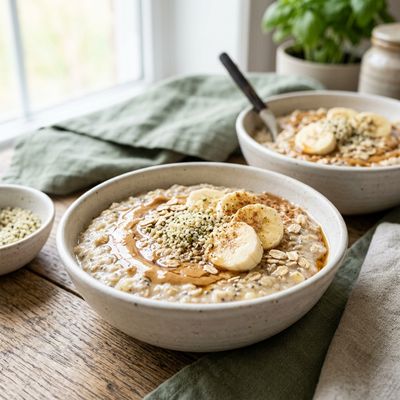
Carton coconut milk is a beverage-style liquid designed for drinking and light applications. It is significantly more diluted than tinned varieties, often containing only 2% to 5% coconut. Because of its high water content, it should not be used as a direct replacement for tinned milk in recipes requiring richness or thickness, such as a laksa or a korma. However, it is excellent for hydrating grains. Use carton coconut milk to cook jasmine rice or oats; the light fat content adds a subtle fragrance and prevents the grains from sticking without making the dish feel overly heavy.
Managing Emulsification and Heat
One common challenge in vegan cooking is coconut milk 'curdling' or separating when boiled. To maintain a smooth, silky sauce, add your tinned coconut milk toward the end of the cooking process and keep the heat at a gentle simmer rather than a rolling boil. High heat can cause the proteins and fats to break apart, leading to a grainy texture. If you are adding acidic ingredients like lime juice or tamarind paste, do so at the very end of cooking, as acid can also encourage the coconut fats to clump.
Protein Pairing Note
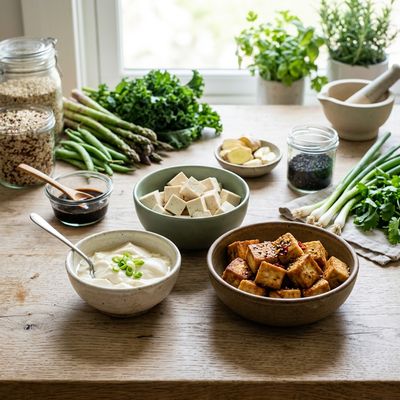
Coconut milk is prized for its fat content and flavor, but it contains very little protein. When preparing a main meal using coconut milk, pair it with high-protein plant ingredients like red lentils, which dissolve into the milk to thicken the sauce, or firm tofu, pressed to remove excess water so it can better absorb the coconut-based broth.