Guide
Preparing Silken, Firm, and Extra-Firm Tofu for Vegan Cooking
Unlock the full potential of tofu by mastering the specific techniques suited to each variety. This guide explores the textural differences between silken, firm, and extra-firm tofu, providing practical steps for pressing, searing, and blending for consistent home cooking results.
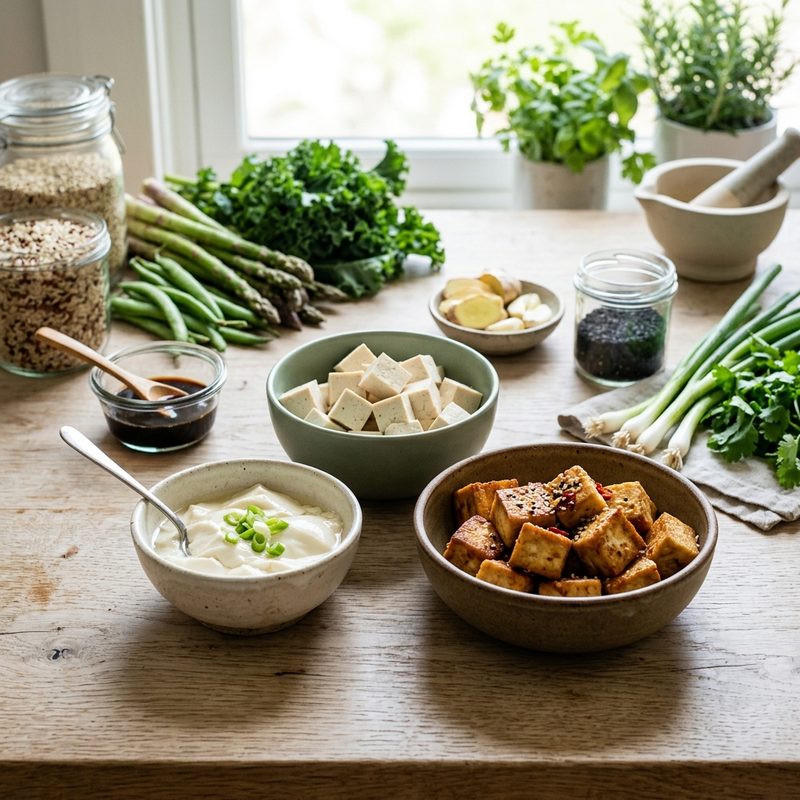
Mastering the different textures of tofu is a fundamental skill for any vegan kitchen. From creamy silken varieties used in desserts to pressed extra-firm blocks perfect for searing, understanding these nuances ensures your meals always have the best consistency. This guide explores how to prep each type for maximum flavor.
Understanding Silken Tofu
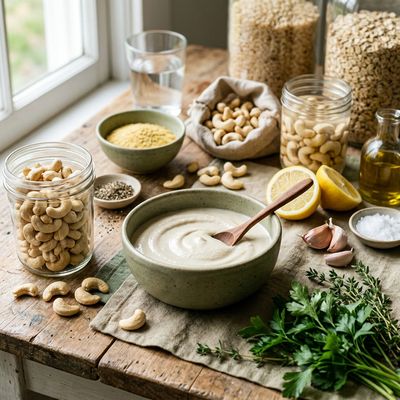
Silken tofu is unpressed and retains the highest moisture content of all varieties. Because it has a custard-like texture, it should never be pressed or handled aggressively. It is best used for its emulsifying properties. In vegan cooking, blending silken tofu creates a creamy base for dressings, chocolate mousses, or savory sauces. Its high water content means it will dissolve if tossed in a heavy stir-fry, so treat it gently as a textural element in soups or as a smooth component in desserts.
The Importance of Pressing Firm Tofu
Firm tofu is the workhorse of the kitchen. While it holds its shape better than silken, it is still packed with water. You must press firm tofu before cooking. This technique is essential because water and oil repel each other; if the tofu is saturated with water, it will steam rather than sear. By removing excess moisture, you create room for marinades to be absorbed into the block, and you allow the surface to interact directly with heat to develop a golden crust. To press, wrap the block in a clean kitchen towel and place a heavy skillet on top for 20 to 30 minutes.
Searing and Slicing Extra-Firm Tofu
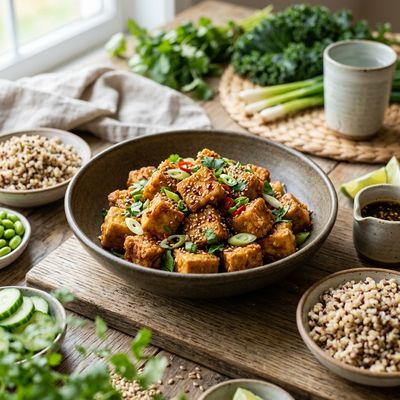
Extra-firm tofu contains less water and a denser protein structure, making it the ideal choice for high-heat applications like pan-searing or grilling. Because of its density (offering approximately 10 grams of protein per 100g serving), it maintains a chewy, satisfying bite even after long cooking times. When preparing extra-firm tofu, slice it into uniform slabs or cubes to ensure even browning. A light coating of cornstarch or arrowroot powder before hitting a hot, oiled pan will result in a crisp exterior that contrasts beautifully with the dense interior.
Marinating for Deep Flavor
Tofu is naturally porous, but it can only absorb flavor once the internal water is displaced. After pressing firm or extra-firm tofu, submerge it in a liquid seasoning such as soy sauce, toasted sesame oil, or a citrus-based marinade. Allow it to sit for at least 30 minutes. The 'empty' pores of the pressed tofu will act like a sponge, pulling the seasonings into the center of the block rather than just coating the outside.
Freezing for Texture Transformation
For a distinct structural change, freeze your firm tofu before use. Freezing causes the water inside the tofu to turn into ice crystals, which expand and create small pockets. When the tofu is thawed and pressed, these pockets remain, resulting in a more fibrous, sponge-like texture. This technique is particularly effective when you want the tofu to soak up heavy sauces, as the honeycomb structure provides more surface area for the liquid to cling to.