Guide
Silky Cashew Cream: A Staple for Modern Vegan Cooking
Cashew cream is a foundational element in modern plant-based cooking, offering a luxurious texture and neutral flavor profile. This guide explores the essential technique of transforming raw nuts into a versatile cream that elevates sauces, soups, and desserts.
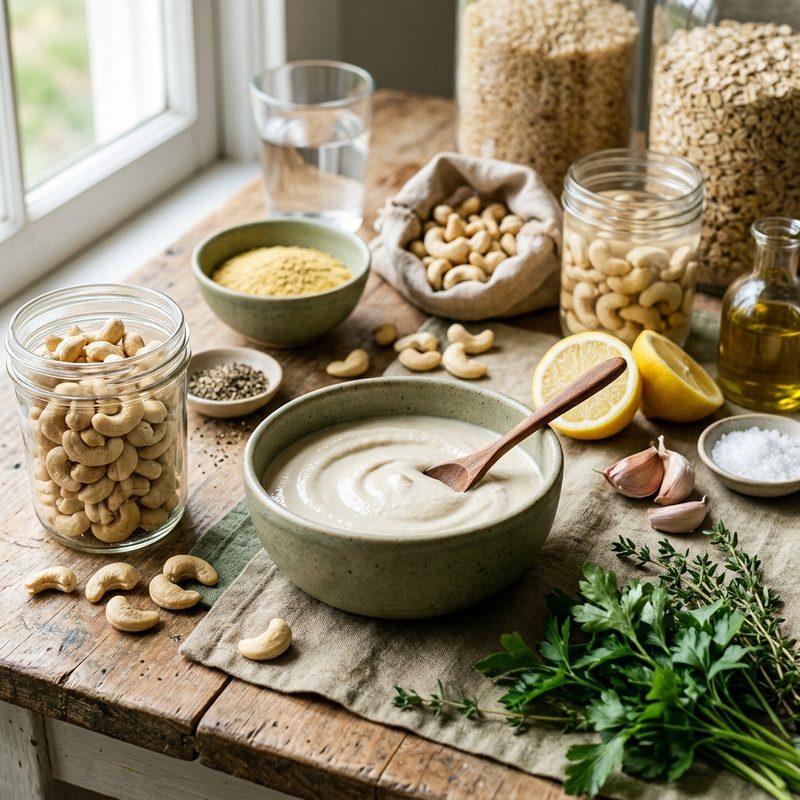
Master the technique of creating a silky cashew cream, an essential foundation for any sophisticated vegan kitchen. By using raw nuts and a proper soaking method, you can unlock a rich, neutral base that enhances both sweet and savory dishes without compromising on texture or flavor.
Selecting the Right Cashews
To create a neutral and creamy base, you must use raw, unsalted cashews. Avoid roasted or salted varieties, as the roasting process changes the chemical structure of the fats and introduces a deep nutty flavor that competes with other ingredients. Raw cashews provide a clean slate for both savory and sweet applications.
The Vital Role of Soaking
Soaking raw cashews is the most critical step in this technique. You should submerge the nuts in cold water for at least four hours, or ideally overnight. This process hydrates the cellular structure of the nut and softens the dense plant fats. This is essential because it allows the blender to break down the nut into microscopic particles, creating a velvet-like emulsion rather than a grainy paste. If you are in a rush, soaking in boiling water for 30 minutes provides a functional shortcut, though the long soak yields the smoothest result.
Rinsing and Blending
Once soaked, discard the soaking water and rinse the cashews thoroughly under cold running water. This removes any residual starch and ensures a bright, white finish. Place the cashews in a high-speed blender and add fresh, filtered water. A standard ratio for a heavy cream consistency is one part cashews to one part water. For a thinner, milk-like consistency, use a one-to-two ratio.
Achieving the Final Texture
Blend on the highest setting for at least 60 to 90 seconds. Even if it looks smooth after 30 seconds, the extra time ensures the fats are fully emulsified. The resulting liquid should be thick enough to coat the back of a spoon. Because cashews contain a significant amount of natural fats and moderate protein, this cream will thicken further when heated, making it an excellent base for simmering sauces or thickening soups.