Guide
Understanding How Vegan Butter Functions in Baking
Vegan butter is more than just a fat source; it is a structural pillar in the bakery. This guide explores the science of plant-based fats and how they interact with heat, sugar, and flour to create professional-quality results.
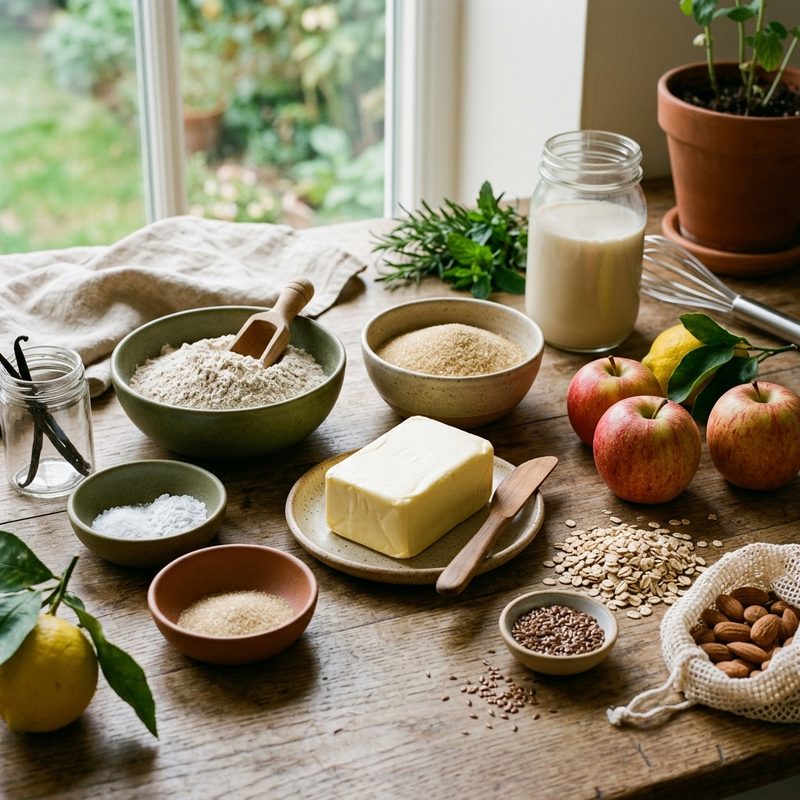
The Role of Fat and Water
Vegan butter is an emulsion of plant oils—typically refined coconut oil, sunflower oil, or sustainable palm oil—and water. In baking, the fat provides richness and tenderness by coating flour proteins, which prevents excessive gluten development. The water content is equally vital; as the oven heats, this water converts to steam, providing a secondary lift that is essential for the structure of biscuits and pie crusts.
The Science of Creaming
When a recipe calls for creaming softened vegan butter with granulated sugar, you are performing a mechanical aeration technique. Use vegan butter that is approximately 18-20°C. At this temperature, the fat is plastic enough to be deformed but firm enough to hold air. The jagged edges of the sugar crystals carve microscopic pockets into the fat. These air pockets are where your leavening agents, like baking powder or soda, will later deposit carbon dioxide, resulting in a light, fine-crumbed cake.
Achieving Flaky Layers with Cold Fats
For pastries and pie doughs, the goal is to keep the vegan butter in distinct, solid pieces. Use chilled, cubed vegan butter and work quickly to incorporate it into the flour until it resembles coarse crumbs. We keep the fat cold because if it melts into the flour before it hits the oven, it creates a mealy, dense texture. When the solid chunks of fat finally hit the high heat of the oven, they melt and release steam, creating the distinct layers found in puff pastry or shortcrust.
Managing Melt Points
Plant-based fats, particularly those high in refined coconut oil, often have a narrower temperature window than dairy fats. They can transition from solid to liquid very quickly. If your kitchen is warm, chill your mixing bowl and flour before starting. This prevents the fat from 'oiling out,' a term for when the emulsion breaks and the oil leaks out of the dough, which leads to greasy, flat cookies.
Emulsification and Stability
Many high-quality vegan butters contain sunflower lecithin or soy lecithin. These are emulsifiers that help bind the oil and water components together. When you add liquids (like soy milk or vanilla extract) to your creamed butter and sugar, add them slowly. This ensures the emulsion stays intact, resulting in a smooth batter that won't break or curdle, which is essential for a uniform rise.