Guide
Building Depth in the Vegan Kitchen with Miso and Tamari
Building complex flavor in plant-based cooking requires an understanding of fermented ingredients. This guide explores how to use miso and tamari to achieve deep, savory results through specific culinary techniques.
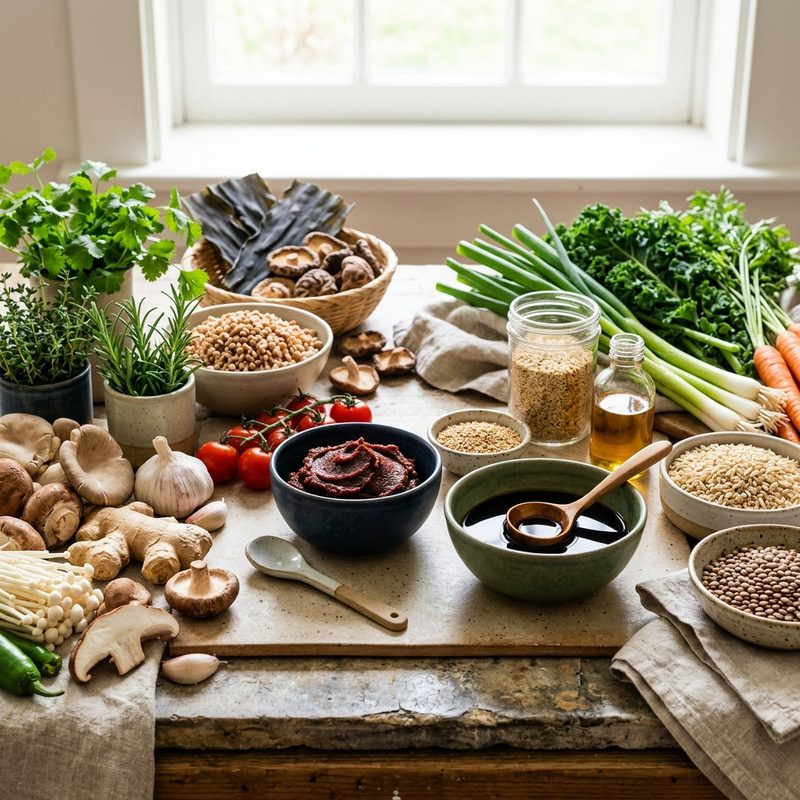
Umami is the secret to satisfying depth, and in a professional vegan kitchen, we rely on fermentation to create it. By using miso and tamari, you can build a savory foundation that elevates simple ingredients into complex meals. This guide explores how these fermented staples deliver incredible flavor without fish-based ingredients.
Understanding the Role of Fermentation
Umami, the fifth taste, is characterized by a savory, mouth-coating sensation caused by glutamates. In vegan cooking, we rely on fermentation to develop these compounds. Miso, a paste of fermented soybeans and grain, and tamari, the liquid byproduct of miso production, are the primary tools for establishing a savory foundation. Unlike standard soy sauce, tamari is typically richer and deeper in color, providing a more intense flavor without the sharp edge of wheat-based sauces.
Selecting the Right Miso Profile
Miso is categorized by color, which reflects the length of fermentation. White miso (shiro) is fermented for a shorter period, resulting in a mild, slightly sweet flavor. It is ideal for light dressings and creamy sauces. Red miso (aka) is fermented longer, often with higher salt concentrations, producing a robust, earthy funk. Use red miso when you need to anchor a heavy stew or create a dark, savory glaze for roasted vegetables.
Technique: Pressing Firm Tofu for Flavor Absorption
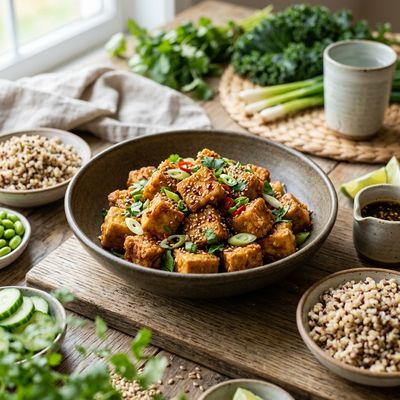
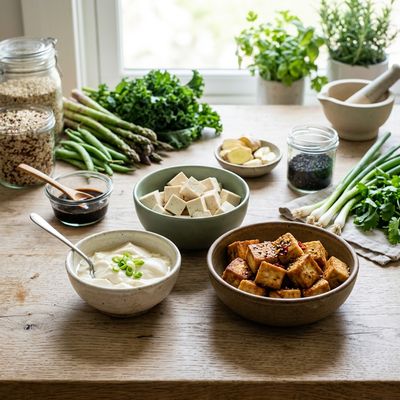
Before introducing umami-rich liquids like tamari, you must prepare your protein. Pressing firm tofu between two heavy plates or a dedicated press for at least 30 minutes is a critical step. This is not just about changing the texture; it is about hydraulics. By physically squeezing out the neutral-tasting water trapped within the tofu's protein lattice, you create a vacuum. When the pressed tofu is then placed in a marinade of tamari and ginger, it acts as a sponge, pulling the savory liquid into its core rather than just wearing it on the surface.
Technique: Blooming Miso and Tamari
To maximize the aromatic potential of fermented pastes, use the blooming technique. Instead of stirring miso into a finished pot of liquid, whisk it with a small amount of warm water or oil first. If you are sautéing aromatics, add a tablespoon of red miso to the pan and cook it for 60 seconds until it darkens slightly and smells toasted. This heat-induced reaction intensifies the savory notes. However, always ensure you do not boil the miso for an extended period, as high heat can dull the delicate enzymatic complexity that gives miso its character.
Technique: Emulsifying Soaked Cashews
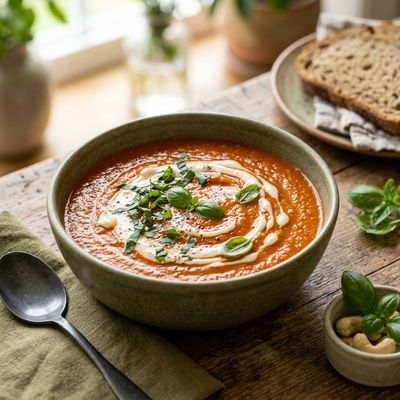
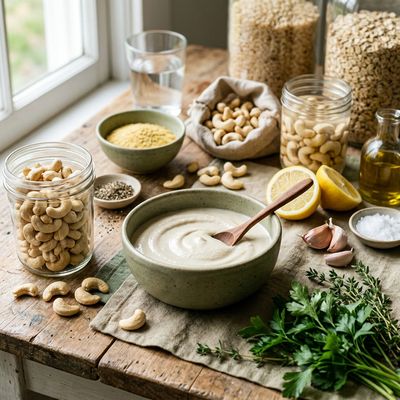
To create a creamy, savory base that carries umami across the palate, soak raw cashews in boiling water for 20 minutes. Soaking is essential because it softens the pectin and fibers, allowing the nuts to break down into a completely smooth cream when blended. When combined with white miso, this cashew cream provides the fat and body necessary to hold onto savory flavors, mimicking the mouthfeel of dairy-heavy sauces without altering the clean profile of the dish.