Guide
The Ultimate Guide to Plant Milks in Vegan Cooking
Understanding the chemical behavior of different plant milks transforms home cooking from a guessing game into a precise craft. This guide explains how to leverage the unique fat, protein, and starch profiles of various plant milks to achieve professional-grade textures and flavors.
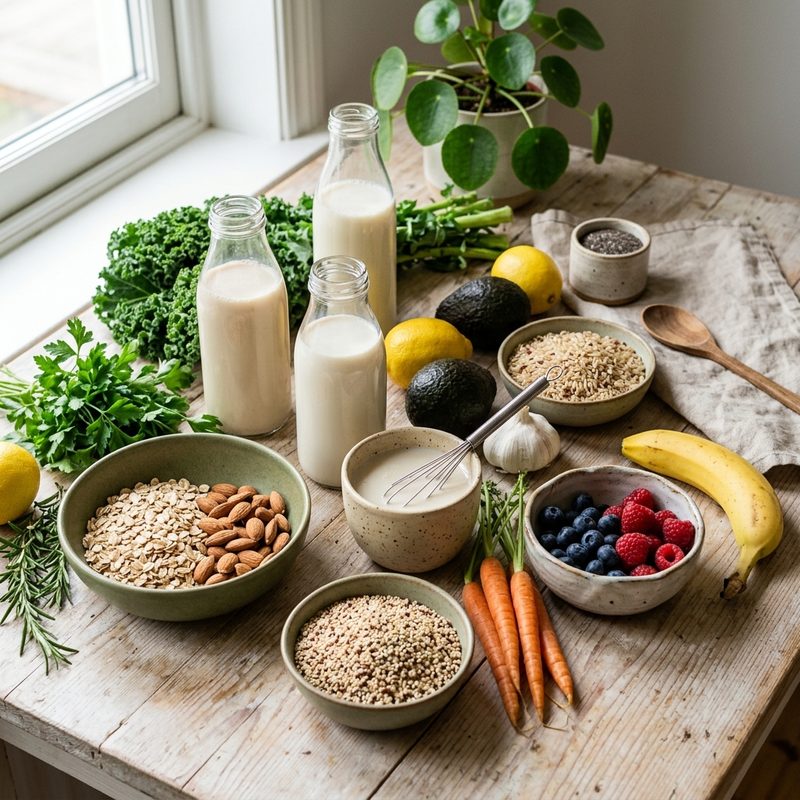
Understanding how different plant milks behave is essential for success in a vegan kitchen. Whether you are emulsifying soy for structure or using the natural starches in oat milk for creaminess, choosing the right variety ensures your cooking and baking always achieve the perfect texture and flavor.
Emulsifying with Soy Milk for Structure
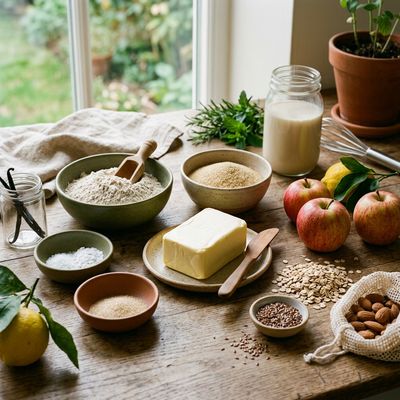
Soy milk is the heavy lifter of the plant milk world due to its high protein content, which is remarkably similar to dairy. In baking, this protein provides the essential structure needed to trap air and support the rise of cakes and breads. When making a vegan buttermilk, adding apple cider vinegar to soy milk is vital because the acid reacts with the soy protein, causing it to thicken and curdle slightly. This chemical reaction mimics the viscosity of traditional buttermilk and provides the necessary acidity to activate baking soda for a superior lift.
Achieving Body with Oat Milk
Oat milk is naturally high in starches, which gives it a creamy, full-bodied mouthfeel that persists even when heated. This makes it the ideal choice for hot applications like lattes or béchamel sauces. Unlike nut milks, which can sometimes split or feel watery when boiled, oat milk thickens slightly under heat, contributing a natural silkiness. In savory cooking, use oat milk when you want a neutral background that provides weight without a strong nutty flavor profile.
Harnessing Cashew Cream for Savory Richness
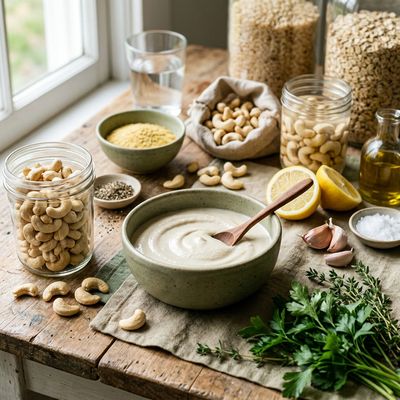
For rich, velvety sauces like alfredo or vodka sauce, soaking raw cashews is the foundational technique. You must soak cashews for at least four hours (or boil them for fifteen minutes) to soften the nuts’ cellular structure. This matters because it allows the nuts to fully emulsify with water in a high-speed blender; without soaking, you will end up with a gritty, sandy texture rather than a homogenous cream. Cashew milk behaves like a heavy cream, thickening beautifully as it reduces on the stovetop.
Selecting Coconut Milk for Fat Content
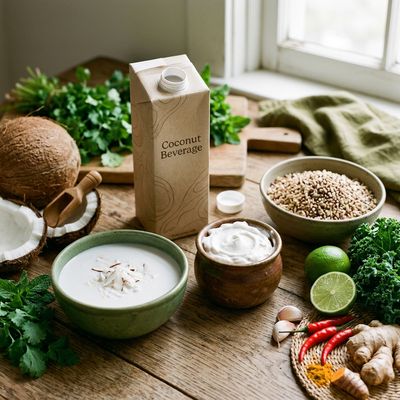
Full-fat canned coconut milk is the go-to for recipes requiring high saturated fat. This fat is what allows coconut milk to set firmly when chilled, making it the only choice for whipped creams or thick puddings. When using it in curries or soups, the fat carries the fat-soluble flavors of spices like turmeric and cumin, coating the palate and providing a luxurious finish that lighter milks cannot replicate.
Lightening Batters with Almond and Rice Milks
Almond and rice milks are generally thinner and lower in fat and protein than their counterparts. Use these when you want a light, crisp result, such as in pancake batters or thin crêpes. Because they don't have the same structural protein as soy, they won't make a cake as sturdy, but they are excellent for recipes where the flavor of the milk should disappear entirely into the other ingredients.