Guide
How to Cook Tempeh: A Guide for the Vegan Kitchen
Tempeh is a powerhouse of fermented whole soybeans, prized for its firm texture and earthy, nutty flavor profile. This guide teaches you how to transform a simple block of tempeh into a deeply savory centerpiece using professional kitchen techniques.
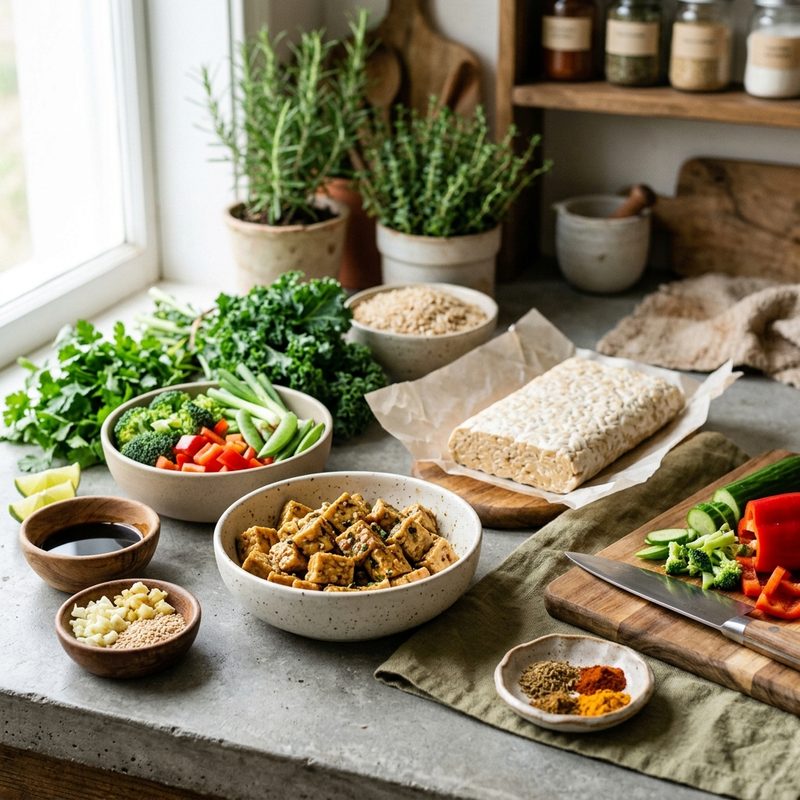
Tempeh is a fermented soy powerhouse that offers a nutty flavor and hearty texture, making it an essential protein in the modern vegan kitchen. This guide explores how to prepare this Indonesian staple through steaming and searing techniques, ensuring a delicious result that elevates any plant-based meal you create at home.
Understanding Tempeh
Tempeh is a traditional Indonesian staple made from whole soybeans that have been fermented with a culture called Rhizopus oligosporus. Unlike other soy products that are processed into a curd, tempeh retains the entire bean, resulting in a dense, chewy texture and a high protein content of approximately 19 grams per 100-gram serving. Its flavor is naturally nutty and slightly mushroom-like, providing a robust base for various seasonings.
Step 1: Steaming to Remove Bitterness
The most important technique for preparing tempeh is pre-steaming. Because tempeh is a fermented product, it can sometimes have a lingering bitter or metallic aftertaste. By steaming the block for 10 to 12 minutes before seasoning, you accomplish two things: you mellow out those bitter notes and you heat the internal structure of the beans. This heat expands the pores of the tempeh, making it far more receptive to marinades and sauces.
Step 2: Slicing and Scoring
Once the tempeh is steamed and slightly cooled, decide on your shape based on the desired texture. For maximum surface area and crispiness, slice the block into thin 1/4-inch strips. If you prefer a meaty, substantial bite, cut it into 1-inch cubes. To ensure flavors penetrate to the center, use a sharp knife to lightly score a cross-hatch pattern into the surface. This technique allows liquid seasonings to settle into the grooves rather than running off.
Step 3: Marinating for Depth
Tempeh is incredibly porous once steamed. Create a marinade using savory elements like tamari, minced garlic, and toasted sesame oil. Avoid adding too much sugar at this stage, as it can burn during the searing process. Let the tempeh sit in the liquid for at least 20 minutes. This wait time is essential because it allows the amino acids in the soy sauce to deeply season the dense interior of the beans, ensuring every bite is flavorful.
Step 4: Pan-Searing for a Golden Crust
To achieve a satisfying exterior, heat a heavy cast-iron skillet over medium-high heat with a thin layer of neutral oil. Place the tempeh in the pan, ensuring they do not overlap. Press down firmly with a spatula; this contact is vital for the Maillard reaction, which creates that characteristic savory, browned crust. Fry for 3-4 minutes per side until deeply golden and crisp. Finish by deglazing the pan with any remaining marinade to glaze the pieces.