Guide
How to Spot Hidden Non-Vegan Ingredients on Food Labels
Navigating grocery aisles requires a keen eye for technical ingredient names that often mask animal-derived sources. This guide provides a step-by-step approach to decoding labels, ensuring your pantry remains strictly plant-based through practical skill acquisition.
Navigating complex food labels is a vital skill for maintaining a successful vegan lifestyle. This guide helps you identify animal-derived additives like casein and whey that often hide in processed goods. Mastering these labels ensures your vegan kitchen remains animal-free while you select the purest plant-based components.
Section 1: Scrutinizing the Dairy Lexicon
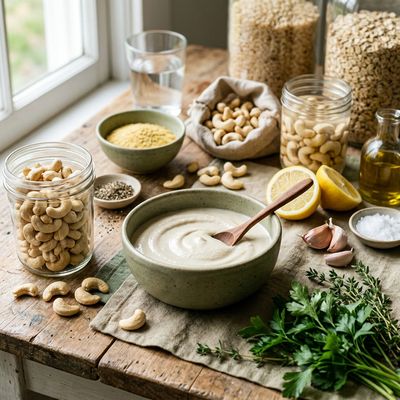
Many packaged goods contain dairy-derived proteins and sugars that do not explicitly use the word 'milk'. Look for 'Casein' or 'Caseinate', which are proteins found in mammalian milk used to improve texture or provide emulsification. Similarly, 'Whey' is the liquid remains of curdled milk often found in baked goods. When you see these on a label, transition your cooking to using soaked cashews. Soaking cashews is essential because it softens the dense nut fiber, allowing the blender to break them down into a perfectly smooth liquid that mimics the mouthfeel of heavy cream without any grittiness.
Section 2: Identifying Egg and Bee Derivatives
Egg-based ingredients frequently appear under the name 'Albumin' or 'Ovalbumin'. These are used for their binding properties. In the kitchen, you can achieve similar structural integrity by whipping aquafaba (the liquid from cooked chickpeas). Whipping aquafaba is a vital technique because it traps air bubbles within the protein and starch structure of the bean water, creating a stable foam that provides lift in cakes and mousses. Additionally, watch for 'Confectioner’s Glaze' or 'Shellac', which is a resin secreted by the lac insect, often used to make candies and pills shiny.
Section 3: Spotting Animal Fats and Colorants
Fats are often listed by technical names such as 'Stearic Acid' (which can be derived from pigs or cows) or 'Lard' and 'Tallow'. If you are unsure of a fat's origin on a label, prioritize whole-food fats in your own cooking like extra virgin olive oil or coconut oil. Be particularly wary of 'Carmine' or 'Cochineal', a vibrant red dye made from crushed beetles. This is frequently used in juices and fruit-flavored snacks. For protein, nutritional yeast is a robust addition to your pantry. Blooming nutritional yeast in a small amount of warm liquid or fat is an important step as it releases the savory, umami compounds trapped within the dried flakes, deepening the flavor profile of the dish.
Section 4: Understanding Processing Aids
Some animal products are used as 'finishing agents' and may not even appear on the final ingredient list, though savvy manufacturers often disclose them. 'Isinglass', a form of collagen derived from fish bladders, is used to clarify beers and wines. 'L-cysteine' is an amino acid often derived from duck feathers used as a dough conditioner in commercial breads. When baking at home, allow for longer fermentation times instead of using conditioners; this technique develops the natural gluten structure and flavor of the wheat, resulting in a superior crumb and crust without the need for chemical additives.