Guide
Mastering Homemade Seitan in the Vegan Kitchen
Seitan is a versatile, savory food made from the protein found in wheat. This guide covers the fundamental techniques of transforming vital wheat gluten into a substantial, protein-rich dish with the perfect texture.
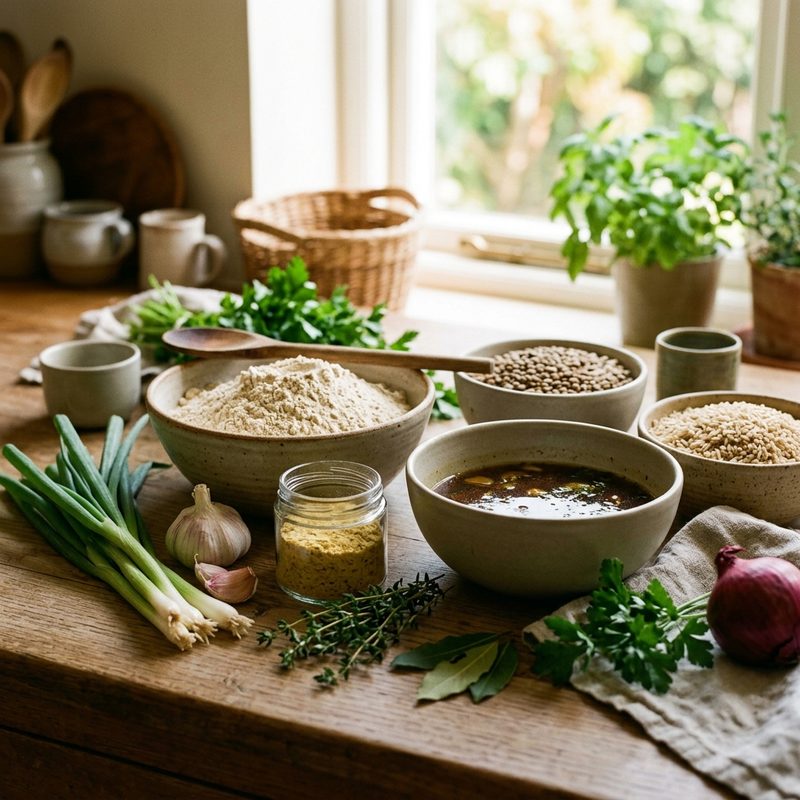
Vital wheat gluten is a powerful staple in the vegan kitchen, offering a concentrated source of plant-based protein. By understanding how to hydrate and season this isolated wheat protein, you can create a variety of satisfying textures that elevate your plant-based meals with incredible depth and versatility.
Understanding Your Base Ingredient
Vital wheat gluten is the isolated protein found in wheat flour, produced by washing away the starch. Because it is nearly pure protein, it provides approximately 75 grams of protein per 100 grams, making it one of the most concentrated plant-based protein sources available. When mixed with liquid, it immediately forms a strong, elastic network that can be shaped, seasoned, and cooked into a variety of textures.
Mixing the Dough
Start by combining your dry ingredients: vital wheat gluten, nutritional yeast for depth of flavor, and spices like garlic powder or smoked paprika. In a separate vessel, mix your liquids, such as vegetable broth and soy sauce. Pour the liquid into the dry mixture and stir until a ragged mass forms. It is essential to use a flavorful liquid rather than plain water, as the gluten strands will lock in these flavors during the hydration process.
The Importance of Kneading
Kneading is the most critical step in determining the final texture of your seitan. As you work the dough, the gluten proteins align and bond. For a firm, chewy texture, knead the dough for 5 to 10 minutes. If you prefer a more tender, aerated bite, knead only until the flour is fully incorporated. Kneading matters because it dictates the structural integrity; without it, the seitan may become spongy or fall apart during cooking.
Steaming for Structure
Steaming is the preferred method for home cooks seeking a consistent, firm result. Wrap the dough tightly in parchment paper or foil to restrict its expansion, which creates a denser, more uniform texture. Steam the parcels for 40 to 60 minutes. This controlled heat coagulates the proteins without the risk of the seitan becoming waterlogged, which can happen if it is boiled too aggressively.
Simmering for Flavor Absorption
Alternatively, you can simmer seitan in a flavored broth. This technique allows the seitan to expand and absorb the surrounding liquid, resulting in a juicier, softer texture. Maintain a very low simmer; if the liquid reaches a rolling boil, the seitan will develop large air pockets and become rubbery. Simmering is ideal when you want the finished dish to carry the specific profile of a broth or marinade.
Cooling and Resting
Once cooked, let the seitan cool completely in its wrapping or cooking liquid. Resting is vital because it allows the gluten fibers to relax and firm up. If you slice seitan while it is still hot, the internal structure may be wet or gummy. For the best results, refrigerate the seitan overnight before slicing or searing it in a pan.