Guide
High-Protein Vegan Cooking: Techniques for Better Texture and Flavor
Building a protein-rich vegan diet is less about finding alternatives and more about mastering the specific techniques that make plant-based ingredients shine. This guide focuses on how to handle staples like firm tofu, vital wheat gluten, and dried legumes to create satisfying, nutrient-dense meals.
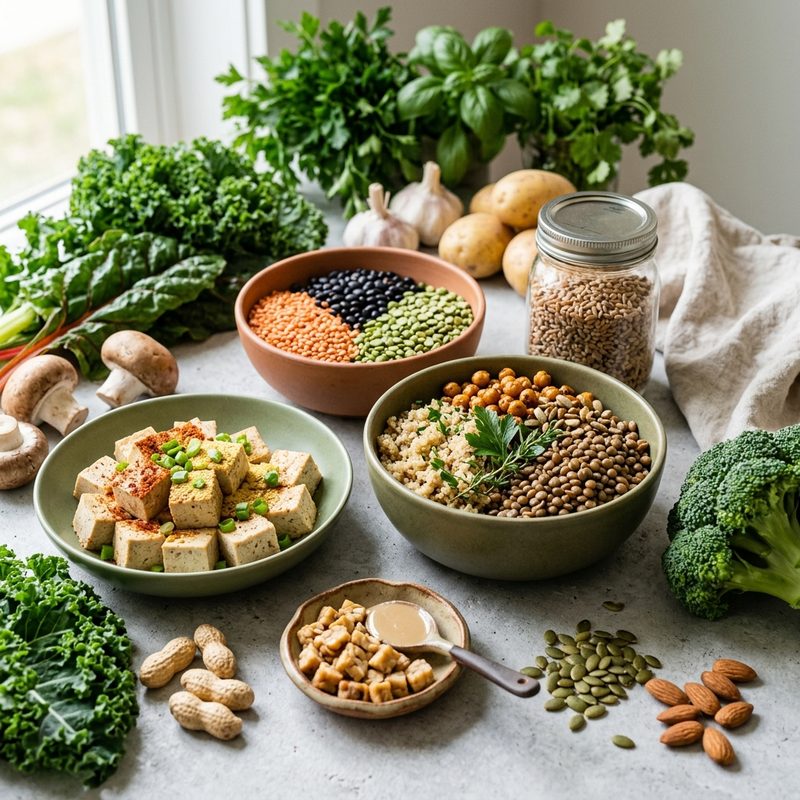
Pressing Firm Tofu for Maximum Absorption
Firm tofu is a staple because of its high soy protein content, but it arrives packed in water. To ensure it takes on the flavor of your marinade and achieves a golden, crisp crust, you must press it. Use a dedicated press or wrap the block in a clean kitchen towel and place a heavy skillet on top for 20 minutes. Removing this excess moisture creates space within the protein structure, allowing the tofu to act like a sponge that draws in seasonings rather than steaming from the inside out in the pan.
Developing Structure with Vital Wheat Gluten
Vital wheat gluten is the concentrated protein extracted from wheat. To turn this powder into a satisfying, chewy meal, kneading is the essential technique. By adding liquid and kneading the dough for several minutes, you develop the gluten strands into a fibrous network. This structural development is what gives the final dish its hearty, substantial bite. Shortening the knead time will yield a more tender result, while longer kneading creates a firmer, more resilient texture.
The Power of Soaking and Simmering Legumes
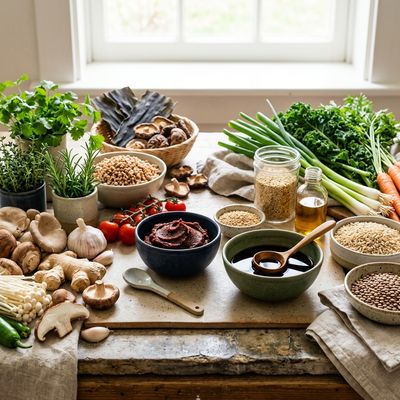
While canned beans are convenient, preparing them from dried allows you to control the texture and nutrient density. Soaking dried chickpeas or black beans for 12 hours with a pinch of salt hydrates the legume uniformly. This prevents the outer skin from bursting before the center is cooked, resulting in a protein-rich base that holds its shape perfectly in stews. Red lentils, however, do not require soaking and are best simmered until they dissolve, creating a naturally thick, protein-dense sauce without the need for thickeners.
Enhancing Integration with Bloomed Nutritional Yeast
Nutritional yeast is a concentrated source of protein and B-vitamins with a savory profile. To get the most out of it, bloom the flakes in a small amount of warm liquid—such as vegetable stock or olive oil—before adding them to a larger dish. Blooming helps the yeast integrate smoothly into sauces and dressings, ensuring a consistent savory depth and preventing a grainy texture in the finished meal.
Steam-Prepping Tempeh for Flavor Depth
Tempeh is made from fermented whole soybeans, providing a dense source of protein and fiber. Because it is a cultured product, steaming the block of tempeh for ten minutes before marinating or frying is a vital step. Steaming opens the pores of the bean cake, allowing it to absorb marinades more deeply and removing the natural bitterness that can sometimes result from the fermentation process.