Guide
Nutritional Yeast: Essential Techniques for the Vegan Kitchen
Nutritional yeast is a deactivated yeast known for its deep, savory profile and rich golden hue. This guide explores the essential techniques for incorporating these flakes into your cooking to unlock maximum flavor and professional texture in plant-based meals.
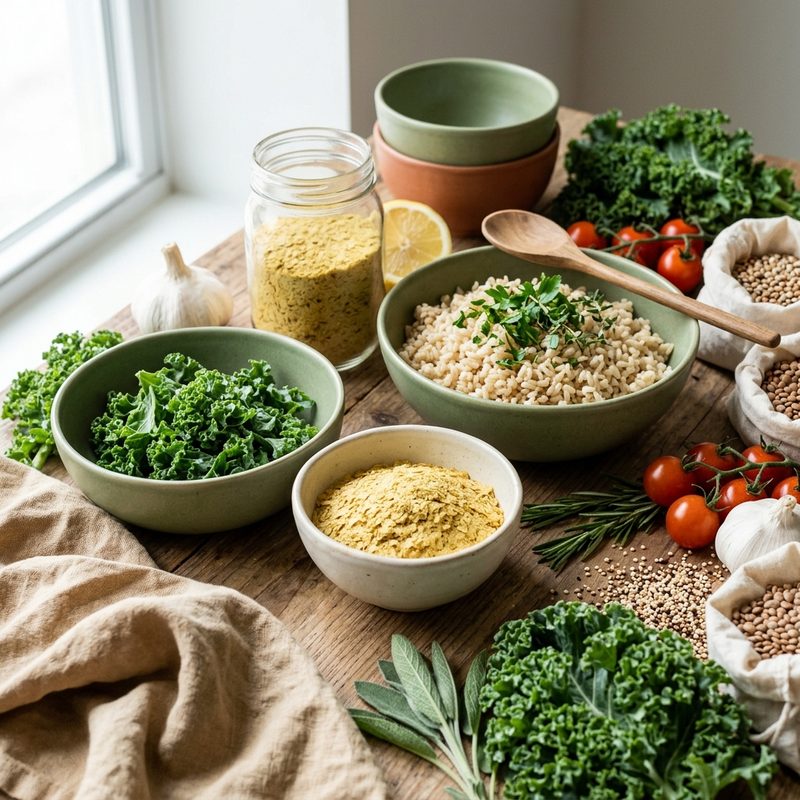
Nutritional yeast, or 'nooch,' is a deactivated strain of Saccharomyces cerevisiae prized for its savory, nut-like profile. This staple ingredient is essential in any vegan kitchen, offering a rare source of complete protein. By mastering techniques like blooming and emulsifying, you can unlock the full umami potential of every flake.
Understanding the Profile
Nutritional yeast, often called 'nooch,' is a species of yeast known as Saccharomyces cerevisiae. Unlike the yeast used for bread, it is deactivated, meaning it won't make dough rise. It offers a profile rich in umami—the fifth taste associated with savoriness—and a subtle nuttiness. From a nutritional standpoint, it is a rare plant-based source of complete protein, providing roughly 5 grams of protein in just two tablespoons, making it a valuable addition to grain-based dishes.
Technique: Blooming for Deep Flavor
To extract the most flavor from nutritional yeast, you must bloom it. Like spices, the aromatic compounds in the flakes are enhanced by heat. When you are starting a sauce or a sauté, add the nutritional yeast to your fat source—such as extra virgin olive oil or melted refined coconut oil—along with your aromatics like minced garlic or shallots. Sautéing the flakes for 60 to 90 seconds until they turn a shade darker toasted gold releases a deeper, more complex savory scent that permeates the entire dish rather than sitting on top of the palate.
Technique: Emulsifying with Soaked Cashews
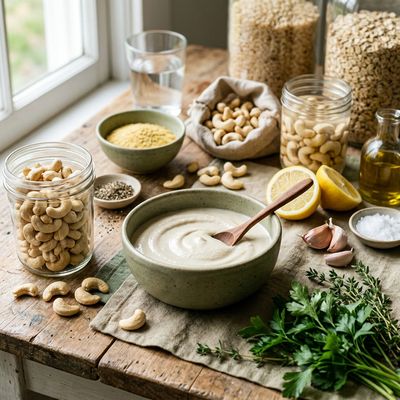
When creating creamy sauces, the texture is just as important as the taste. To create a velvety sauce, blend nutritional yeast with raw cashews that have been soaked in hot water for at least 30 minutes. Soaking the cashews softens their cellular structure, allowing them to break down into a completely smooth liquid. When blended with the yeast and a splash of lemon juice, the yeast flakes become fully suspended in the cashew fats, preventing the graininess that can occur if flakes are simply stirred into a thin liquid.
Technique: The Dry Finish
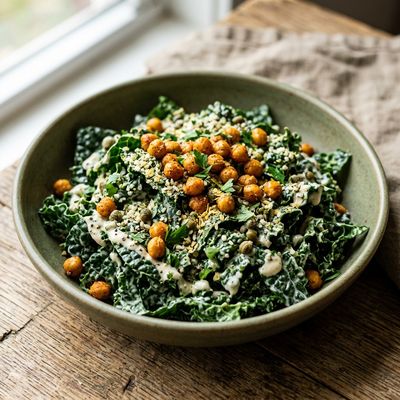
For dishes that require a crunch, such as air-popped popcorn or roasted chickpeas, use nutritional yeast as a dry seasoning. The key is an adhesive layer; toss your base ingredient in a small amount of toasted sesame oil or avocado oil before adding the flakes. This ensures the yeast adheres to the surface. For an even finer texture, pulse the flakes in a spice grinder with a pinch of sea salt to create a fine 'dust' that coats every crevice of your roasted vegetables.