Guide
How to Master Vitamin B12 Sources in Your Vegan Kitchen
Understanding Vitamin B12 is essential for a thriving plant-based lifestyle, as this nutrient is primarily found in fortified foods and supplements. This guide covers the practical culinary techniques for using fortified ingredients to ensure your home cooking is as nutritious as it is flavorful.
Identifying and Selecting Fortified Ingredients
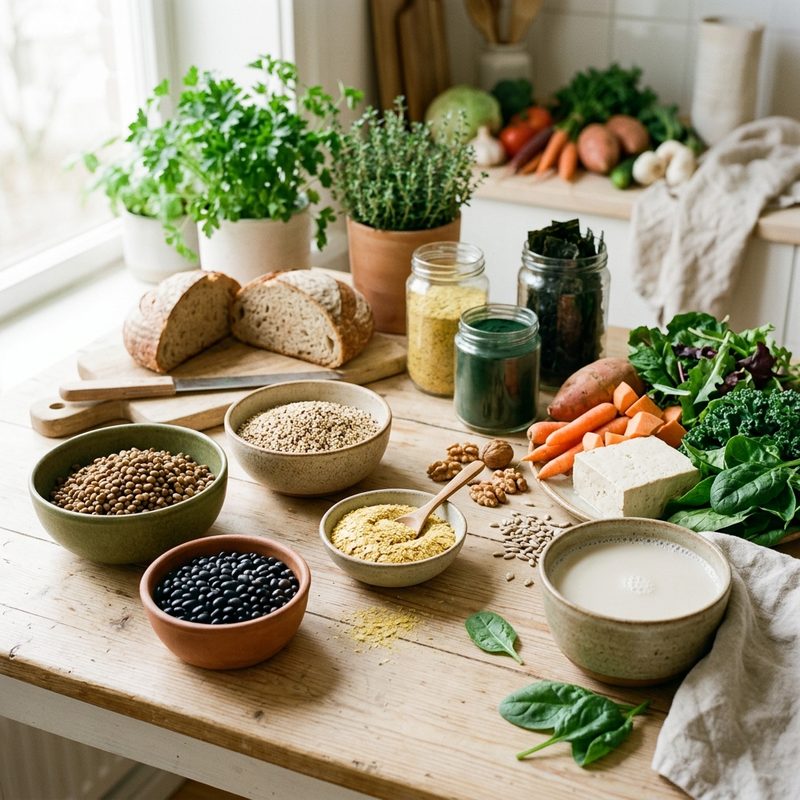
Since Vitamin B12 is not naturally occurring in plants in reliable amounts, vegan cooks rely on fortified ingredients. When shopping, look specifically for fortified nutritional yeast, fortified soy milk, and fortified breakfast cereals. These items have had B12 added during processing. Fortified soy milk is an excellent base for savory sauces because it provides a complete protein profile and a creamy texture that holds up well under gentle heat.
Technique: Blooming Nutritional Yeast
To maximize the flavor of fortified nutritional yeast, use the blooming technique. Instead of simply sprinkling it on top of a finished dish, whisk the nutritional yeast into a small amount of warm fat, such as extra virgin olive oil or melted vegan butter, in a skillet over low heat. Blooming the yeast for 30 to 60 seconds toast the flakes slightly, which deepens the savory, nutty profile and ensures the B12-fortified powder is evenly distributed throughout your sauce or dressing rather than clumping.
Working with Fortified Soy Milk in Savory Sauces
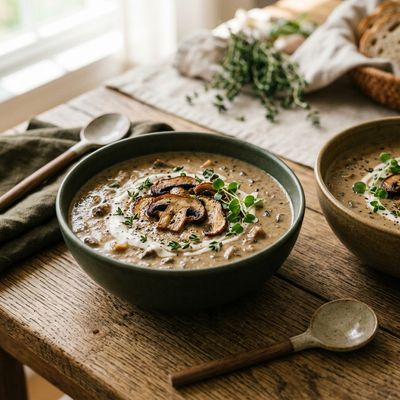
When using fortified soy milk to create a B12-rich béchamel or gravy, temperature control is vital. Bring the milk to a simmer slowly over medium-low heat. Do not allow it to reach a rolling boil, as high heat can cause the proteins to tighten and the liquid to separate. This slow heating preserves the integrity of the fortified nutrients and ensures a silky mouthfeel. Note: Fortified soy milk is a significant source of high-quality plant protein, making it the ideal liquid for nutrient-dense sauces.
Incorporating Tempeh and Fermented Foods
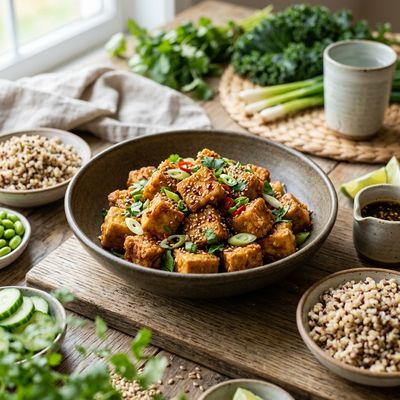
While fermentation in commercial tempeh can sometimes produce trace amounts of B12, it should be viewed as a secondary source. To prepare tempeh, steam the block for 10 minutes before marinating. Steaming opens the pores of the fermented soy beans, allowing marinades to penetrate deeply and softening the natural bitterness of the culture. Once steamed, sear the tempeh in a hot pan to create a crisp exterior that contrasts with its dense, protein-rich interior.
Consistency Through Fortified Seasonings
For daily integration, treat fortified nutritional yeast as a primary seasoning rather than an afterthought. Whisk it into chickpea flour batters for savory crepes or fold it into mashed potatoes. By incorporating these fortified elements into the building blocks of your meals—the fats, the liquids, and the seasonings—you create a consistent habit of B12 intake through standard culinary practice.